Before Your Horse Photo Session: What to Know Before We Start
Before we get your horse clean and photo-ready, there are a few important things to consider to ensure a safe, relaxed, and successful equine photography session in Sonoma County.
A Tired Horse Is a Happy Horse
A tired horse is often the best horse for photos. Making sure your horse has had appropriate turnout, exercise, or a light ride beforehand helps reduce excess energy that can make handling difficult during your session. Calm, relaxed horses photograph beautifully and help keep everyone safe and stress-free.
Ground Manners Matter (For Safety & Photos)
Good ground manners are essential for any professional horse photo session. You should be able to comfortably stand next to your horse without worrying about biting, crowding, or sudden movements. Safety always comes first—for you, your horse, and your photographer.
Treats can be a great tool during photos, but it’s important to know your horse. If treats turn your horse into a full-on Cookie Monster with no off switch, we may need to skip them to keep the session smooth and enjoyable. Every horse is different, and we’ll always choose what works best for your individual horse.
Set Your Horse Up for Success
Horses thrive when they understand what’s being asked of them. Dreaming of that beautiful bareback photo in a field? Make sure both you and your horse have experience riding bareback and that your horse has been exposed to the location ahead of time. Familiar environments and practiced scenarios help your horse stay confident, relaxed, and photogenic.
A prepared horse leads to natural, authentic images—and those are the moments that truly shine in your Sonoma County equine photography session.
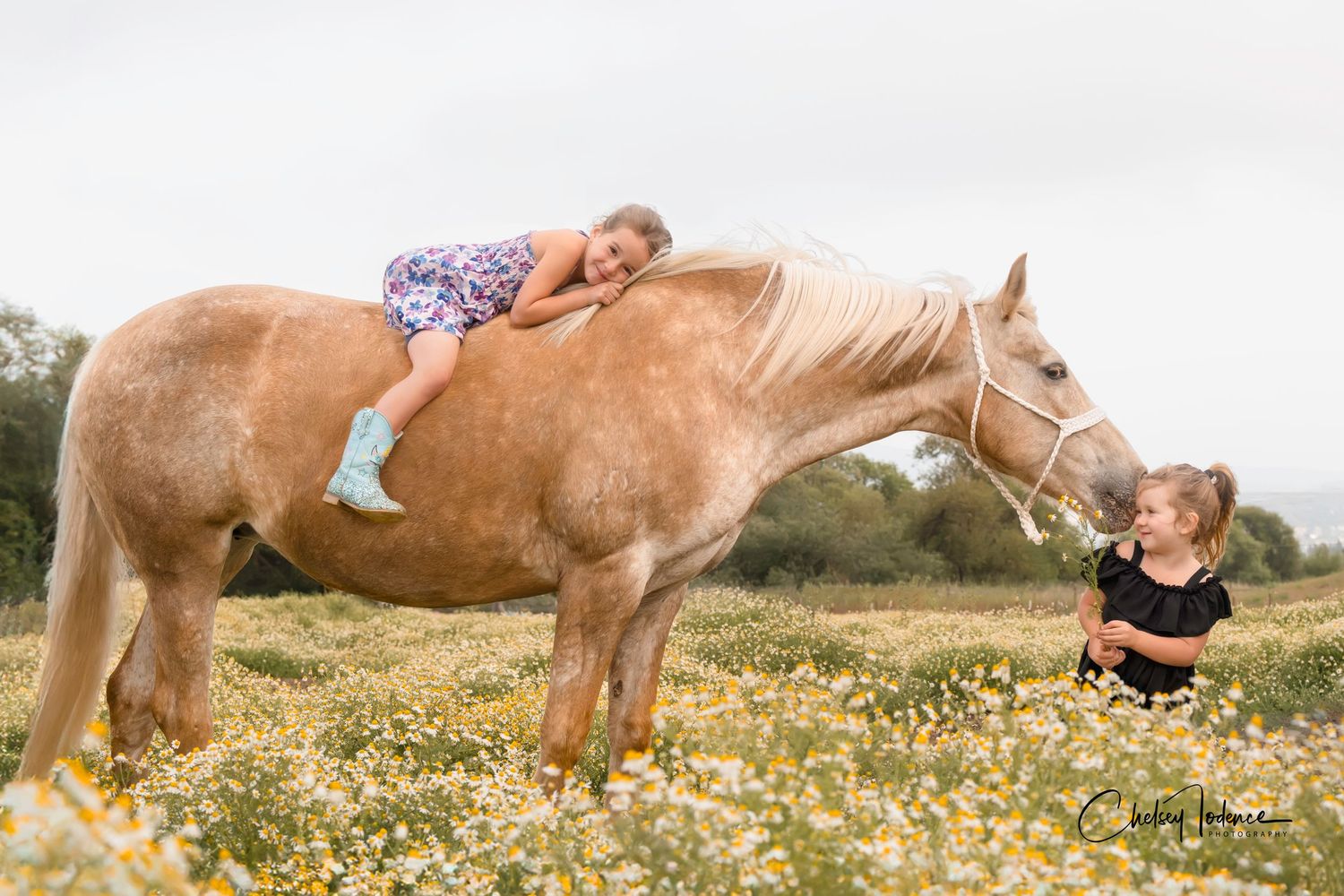
Cleaning Your Horse Before a Photoshoot
I’ll be the first to admit—I don’t always bathe my horses before photos. You get to be the judge on what works best for your horse and your schedule. Whether that means a really thorough grooming or a full bath, the goal is the same: a clean, photo-ready horse.
Remember, if you can see the dirt, so can the camera—and professional cameras notice even more than the human eye.
Focus on the Hidden Dirt Spots
Dirt loves to hide in a few key places that tend to show up clearly in equine photos. Be sure to check and clean around the eyes, forehead, nostrils, lips, and at the base of the mane and tail. These areas naturally draw attention in portraits, so keeping them clean helps create polished, professional images.
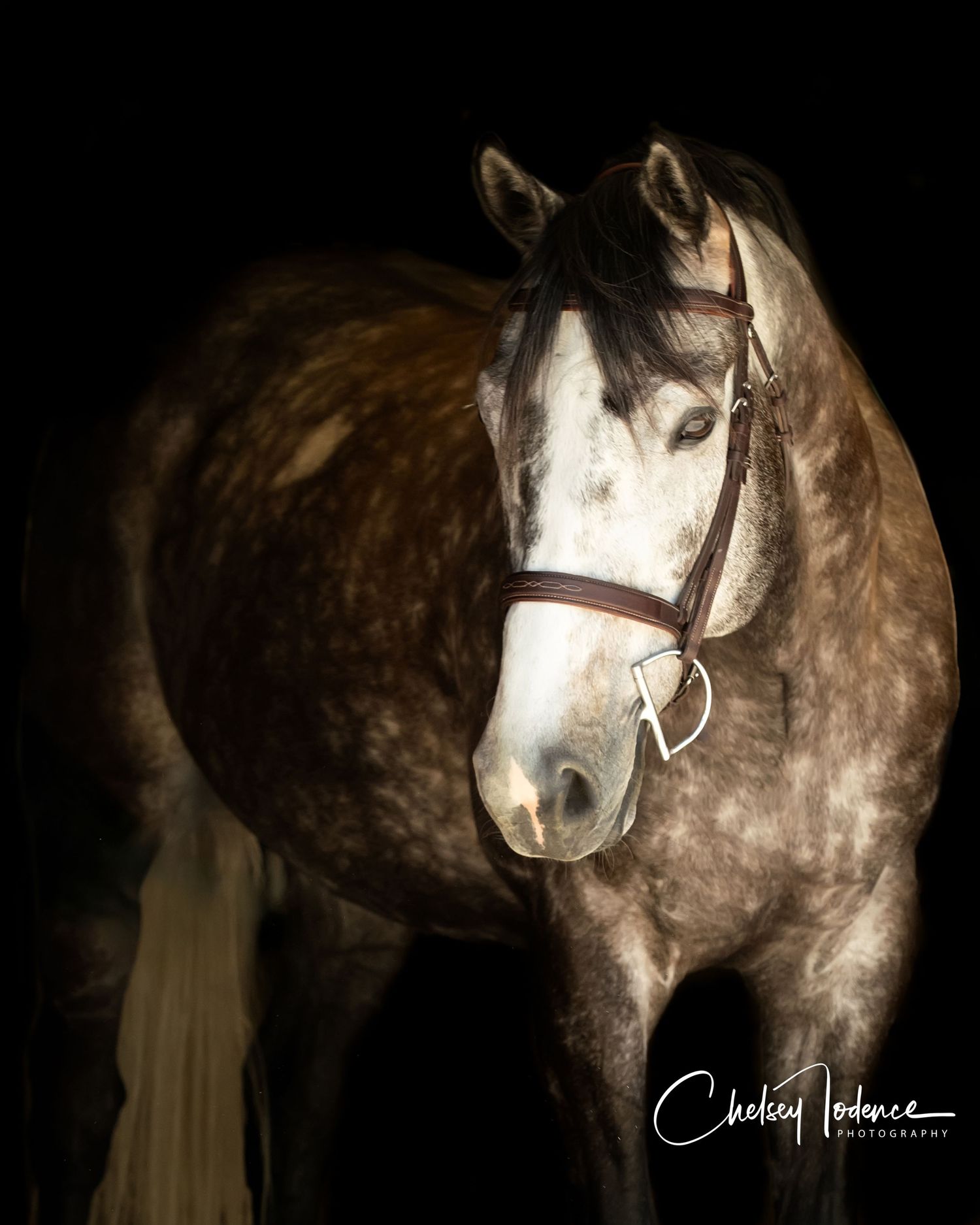
Clean & Brushed Mane and Tail
A clean, well-brushed mane and tail make a big difference in equine photos. As your horse moves around, the mane can easily shift, separate, or stick together—especially after grooming or bathing. Keeping the mane smooth helps maintain a polished look from frame to frame.
I always recommend having a brush or soft comb handy during your photoshoot. A quick touch-up between shots helps smooth flyaways and keep those delicate hairs looking natural and effortless. The same goes for tails—clean, brushed, and free of tangles photograph best, especially in motion.
Small details like a tidy mane and tail help create timeless, professional images and elevate your overall Sonoma County equine photography session without looking overdone.
Hooves Matter More Than You Think
Clean, well-trimmed hooves make a big difference in the final look of your photos. I always recommend scheduling your equine photography session shortly after a farrier visit when possible. That extra five or six weeks of hoof growth can be surprisingly distracting in images.
If you use hoof polish, apply it in an area where your horse won’t immediately step into dust or sand. Hoof polish and arena footing don’t mix well, and gritty buildup can take away from an otherwise beautiful photo.
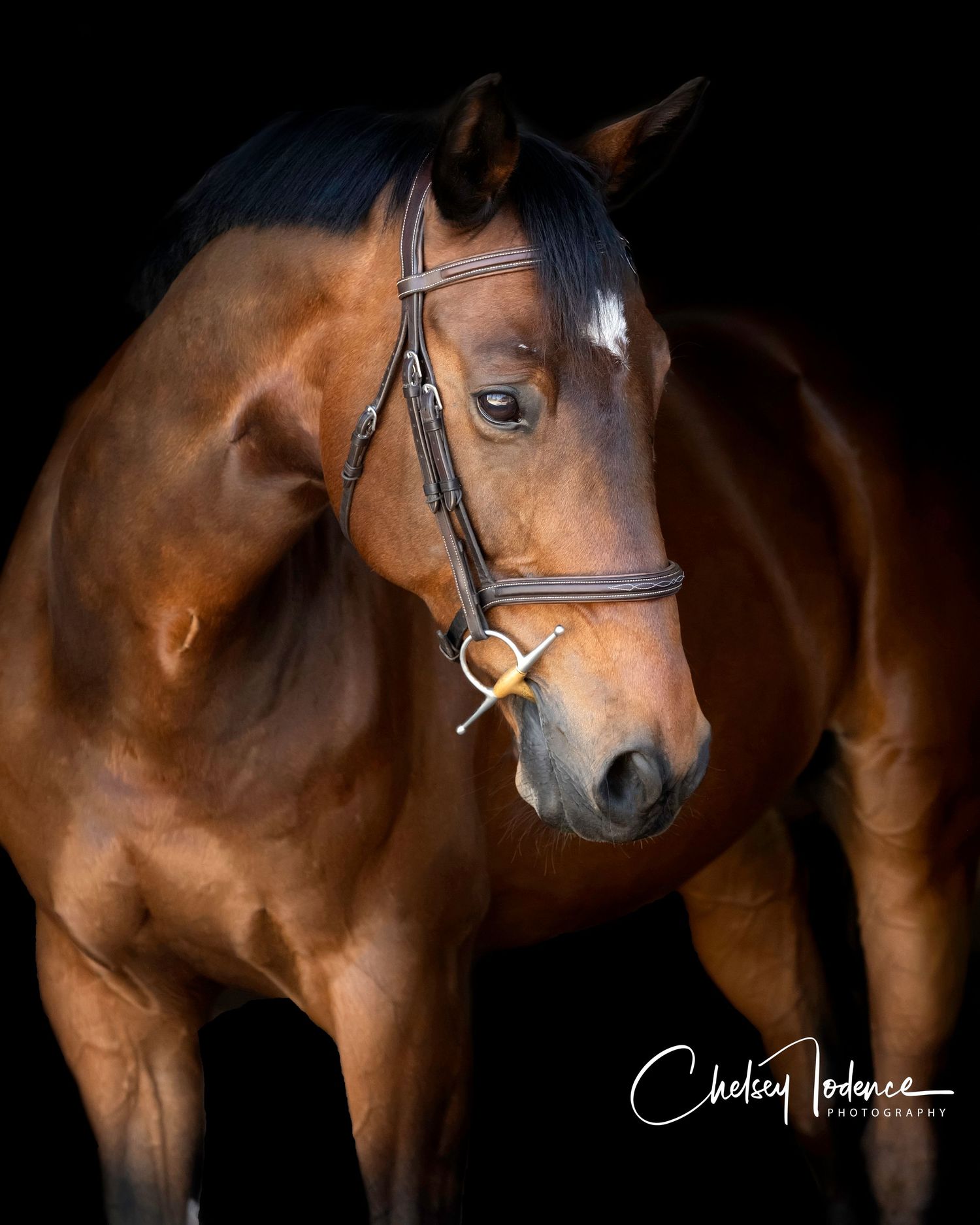
Shine Makes a Difference
Horses simply photograph better when they have a healthy shine. Some horses naturally gleam more than others, and that’s okay. A good brushing routine can go a long way. If possible, try to avoid scheduling your photo session immediately after a full-body clip—freshly clipped coats don’t always reflect light as well and can appear dull on camera.
If you’re considering a black background photo of your horse, coat condition becomes even more important. Bays, blacks, and other dark-pigmented horses photograph best against a dark background when they have a full, healthy shine. A glossy coat helps define muscle, shape, and expression so your horse doesn’t blend into the background. Hint: Summer coats on these horses are ideal for black background equine portraits.
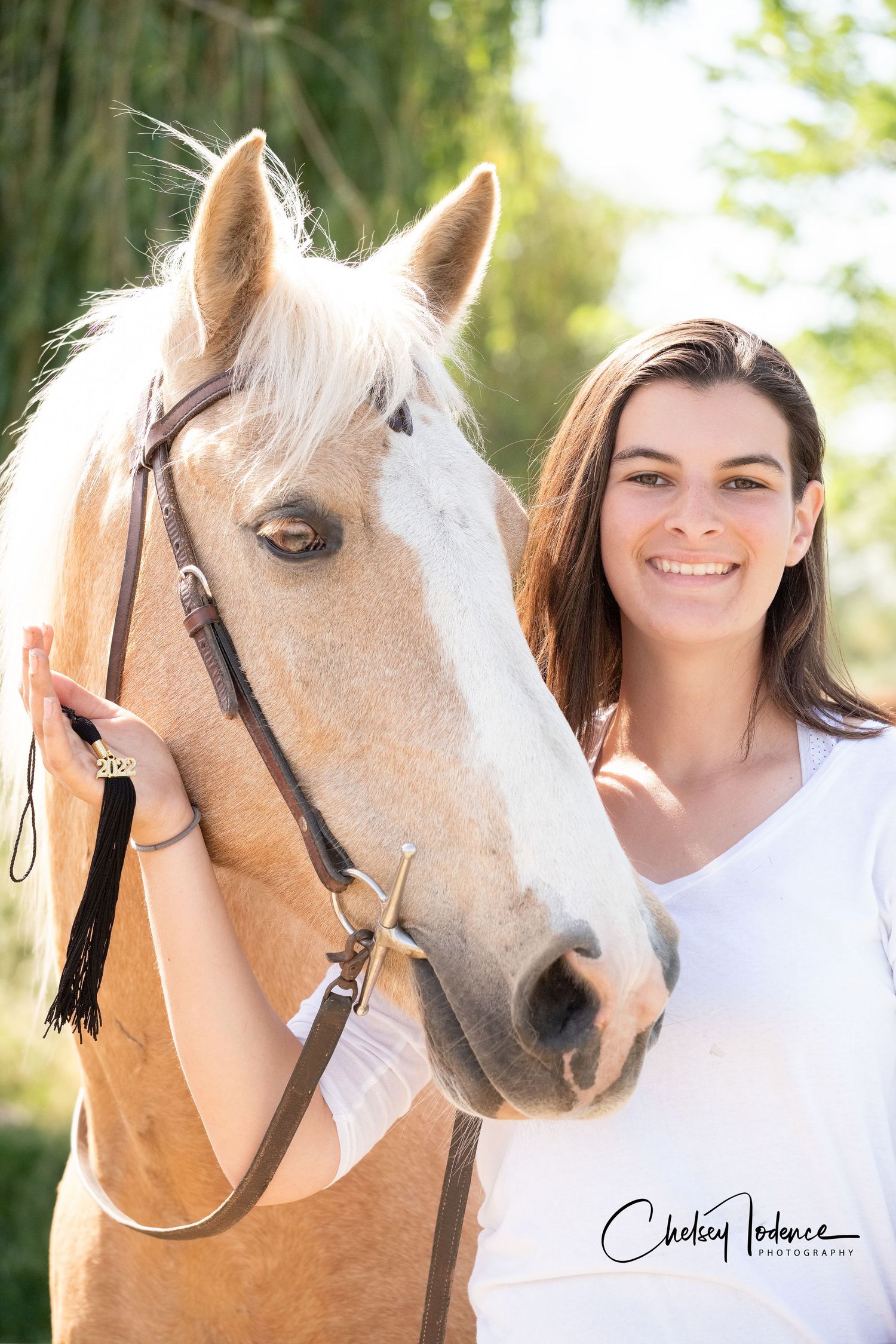
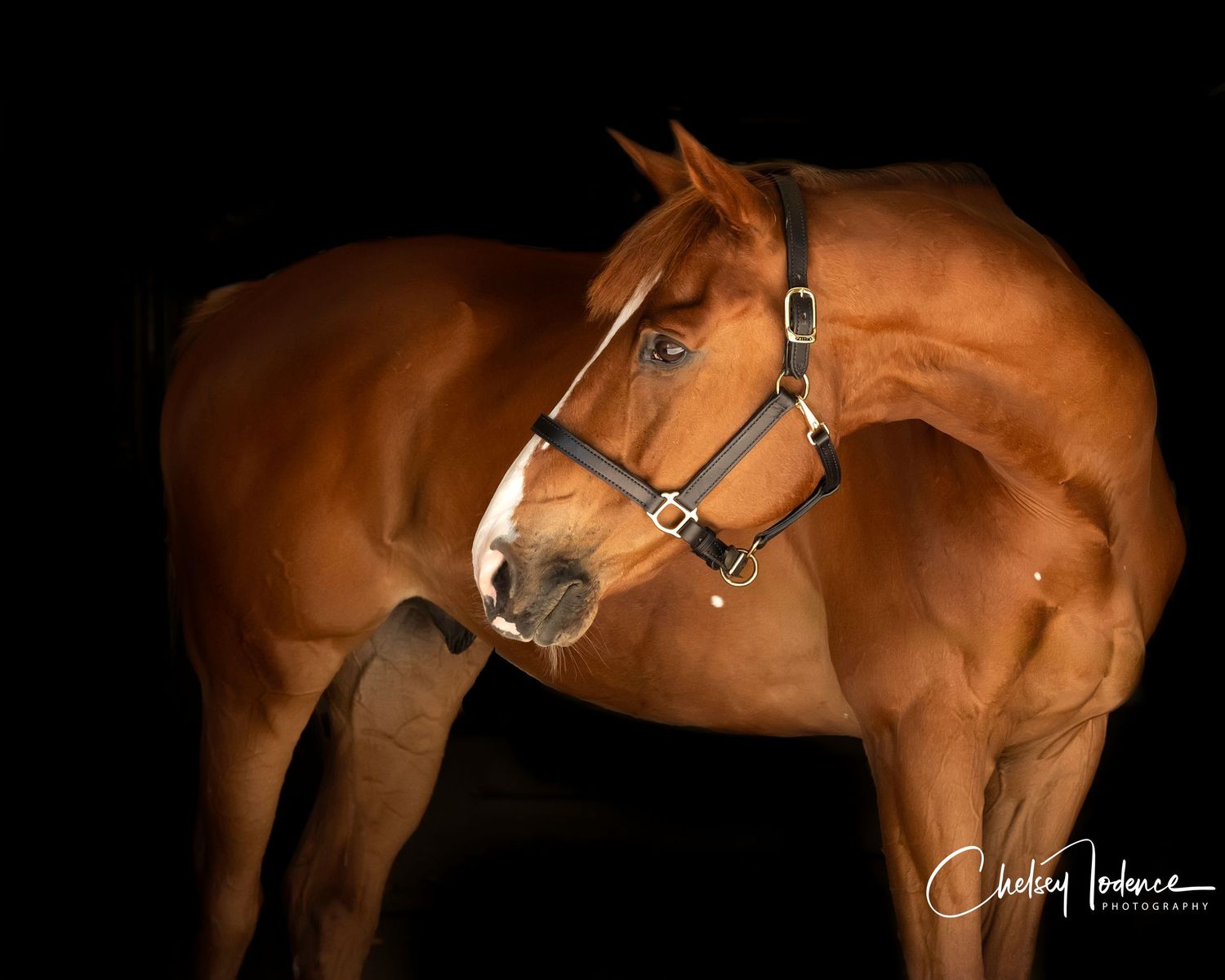
Header photographed at Apple Creek Stables in Sebastopol, CA
Palomino horses at American Made Miniatures Farm in Petaluma, CA
Black background equine portraits at Melody Oak Farm, Golden Gate Equestrian in Petaluma California